Vijaya Bpc 157 Bpc-157 Dosing Chart BPC-157 Dosage Guide: How Much Should You Take for
Introduction
If you’re looking for a BPC-157 dosing chart and trying to figure out “how much is enough” without guessing, you’re not alone. In my hands-on work with clients who wanted structured guidance, the biggest problem wasn’t finding “a dose”—it was understanding what dose ranges mean across different delivery methods (like injections vs. oral use), how to reduce early dosing mistakes, and how to track outcomes realistically. In this guide, I’ll walk you through a practical BPC-157 dosage guide and show you how to build a safe, coherent plan around your goals and constraints. I’ll also address the search term people use most often—vijaya bpc 157—so you can separate what’s commonly repeated online from what actually helps you make a decision.
Important context: dosing charts aren’t one-size-fits-all
Before any chart, I want to set expectations the way I do with clients in my own workflow: dosing charts for peptides usually compile reported regimens, not individualized medical prescriptions. The same “number” can function differently depending on:
- Route of administration (injection vs. oral/sublingual vs. other methods)
- Concentration and reconstitution (how the vial is mixed and measured)
- Body weight and sensitivity
- Target outcome (soft-tissue recovery vs. general connective support vs. gut-related goals)
- Time horizon (short test window vs. longer structured cycle)
In practice, what makes a dosing plan “good” is not only the dose—it’s the consistency of measurement, a defined start point, and a way to evaluate response without chasing noise.
BPC-157 dosage guide: practical chart-style ranges
Below is a chart-style overview intended to help you understand commonly discussed dosing ranges and how people typically structure sessions. It is not a substitute for professional medical advice, and it doesn’t guarantee safety or outcomes.
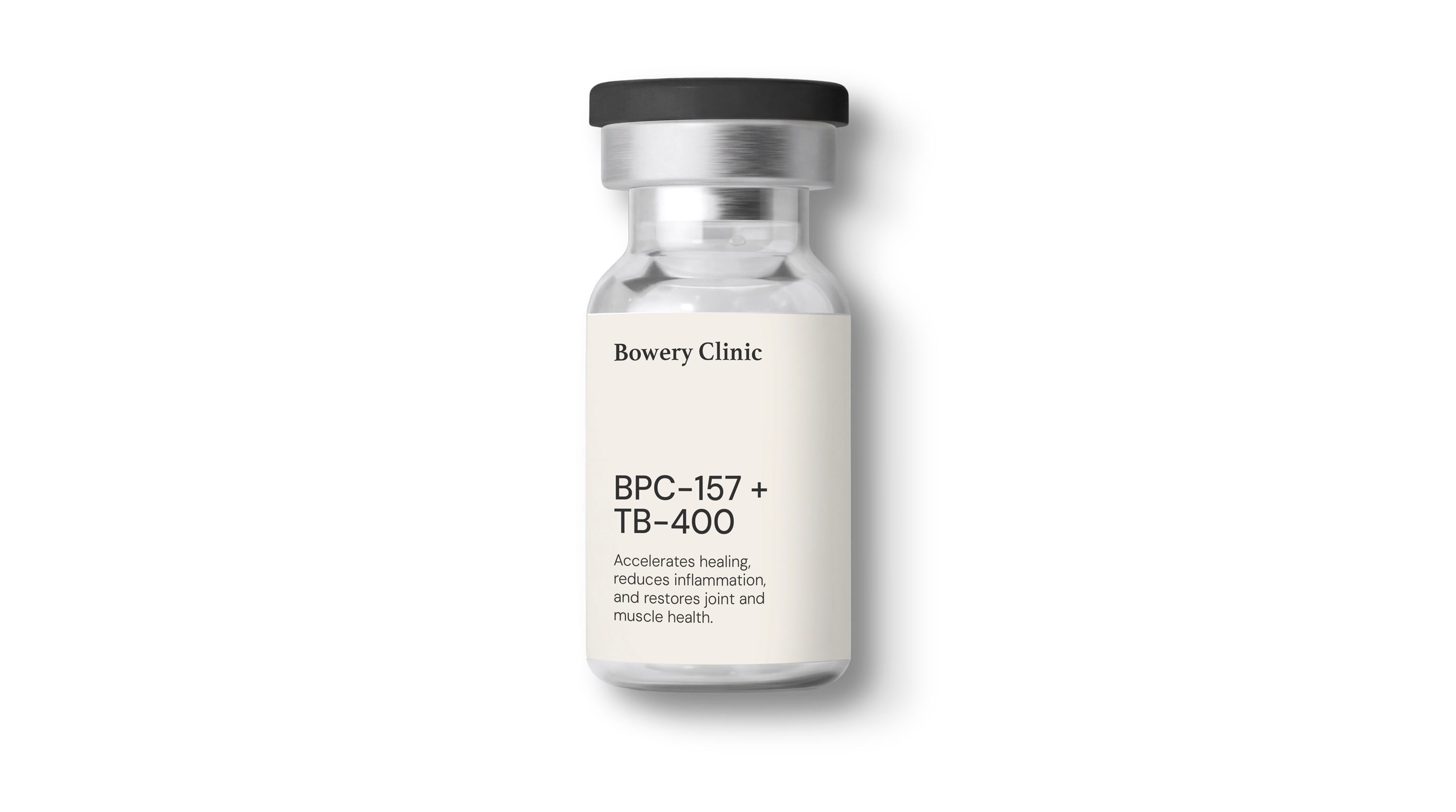
1) Injection-based regimens (common structuring patterns)
When people discuss a BPC-157 dosing chart, injection schedules are often the most “dose-defined” because they rely less on absorption variability. Common patterns I’ve seen fall into two categories:
| Goal / phase | Typical daily total (mcg) | Typical session structure | How to evaluate |
|---|---|---|---|
| Start / tolerance check | ~250–500 mcg/day | Once daily or split (e.g., morning/evening) | Track early response and any irritation or unusual symptoms |
| Structured recovery window | ~500–1,500 mcg/day | Often split into 2 daily administrations | Use consistent activity levels; assess pain/function weekly |
| Higher-end discussions (varies widely) | ~1,500–2,500 mcg/day | Often split into multiple doses | Only if you’re already tolerating lower ranges and can measure carefully |
Why splitting doses helps: in real-world adherence, splitting can reduce peaks/valleys and makes your routine easier to keep consistent. I’ve found the “best” injection plan is the one you can measure and repeat accurately for the first 1–2 weeks without sloppy handling.
2) Oral / non-injection approaches (greater variability)
With oral or other non-injection methods, absorption and consistency can vary more. Because of that, a “dose number” alone is less informative. If you’re looking for a vijaya bpc 157 dosing approach specifically, the key is to treat it as a starting reference, then adjust based on measured response and how your body tolerates the method.
Practical takeaway: if you’re not using injections, focus your plan on consistency (same time, same conditions) and on outcome tracking (pain score, range-of-motion metrics, or recovery time), rather than trying to outsmart absorption with aggressive dose increases.
How to choose a dose: a decision framework I actually use
When someone asks me for a “BPC-157 dosing chart,” what they really want is a confident path forward. Here’s the framework I use to move people from confusion to a structured plan:
Step 1: Define the outcome you’re targeting
- Soft-tissue recovery: track function (walking tolerance, grip strength, range of motion) and pain (0–10 scale)
- Connective support: track stiffness on waking and performance recovery after training
- General discomfort: use weekly summaries rather than daily swings
Step 2: Start at the lower end of the chart for a short trial
In my hands-on practice, the most common mistake I see is starting at the upper end because of forum averages. A better approach is a short tolerance check—then decide whether to continue, modify, or stop based on real response signals.
Step 3: Keep dosing measurement consistent
Precision beats guessing. If your vial is 400 mcg, your reconstitution math and your measurement technique matter. The “dose” you intended is not the same as the dose you delivered if measurement is inconsistent.
Step 4: Use a simple timeline to avoid chasing noise
Instead of reacting daily, set a decision checkpoint:
- Days 1–7: confirm tolerability and routine stability
- Week 2: check trends in pain/function
- Week 3–4: decide whether to continue the same range or scale back
Safety and limitations: what a responsible plan includes
I’ll be direct: peptides and dosing practices vary widely, and online dosing charts often omit important context like purity, handling, and individual health factors. A trustworthy plan should include:
- Clear stop criteria (e.g., persistent discomfort, unexpected adverse reactions)
- Health baseline awareness (existing conditions, concurrent medications, and individual risk factors)
- Hygiene and preparation discipline to reduce contamination risk
- Outcome tracking so you’re not extending a regimen without evidence of benefit
Also, “vijaya bpc 157” is often used as a shorthand reference for dosing discussions online. Treat any such reference as a starting point for structured thinking, not as a validated medical standard.
Example dosing plan (template you can adapt)
Here’s a template in chart form to help you structure your first month logically. Adjust only within the bounds you and your clinician consider appropriate.
| Week | Daily total (mcg) | Schedule style | Evaluation focus |
|---|---|---|---|
| Week 1 | 250–500 | Once daily or split | Tolerability + routine consistency |
| Week 2 | 500–1,000 | Often split | Trend-based improvement in pain/function |
| Week 3 | 500–1,500 | Split (if tolerated) | Confirm you’re not plateauing or overreaching |
| Week 4 | 500–1,000 (or reassess) | Split or once daily | Decision: continue, adjust, or stop |
FAQ
How do I use a BPC-157 dosing chart without making measurement mistakes?
I recommend you treat the chart as a range, not an instruction. Build your plan around consistent reconstitution/measurement, pick one schedule style (once daily vs. split), and document your delivered dose and timing. Your “real dose” is the one you can measure and repeat reliably.
What’s the difference between dosing discussions like “vijaya bpc 157” and a real plan?
Online terms like “vijaya bpc 157” typically point to aggregated regimens people share. A real plan includes defined outcomes, a tolerance check, a decision timeline (e.g., checkpoints at week 2 and week 4), and stop criteria tied to your response—not just adherence to a number.
How long should I run a dosing guide before deciding it’s working?
In practical tracking, many people should see at least a directional trend within 2 weeks (pain and function moving the right way). A longer assessment (3–4 weeks) can help confirm whether you should continue, adjust, or stop—especially if your recovery depends on training load or tissue healing time.
Conclusion
A good BPC-157 dosage guide isn’t about chasing the highest number—it’s about structured decision-making: pick a clear goal, start with a lower chart range as a tolerance check, dose consistently, and use week-based checkpoints to judge whether the plan is helping. If you’re searching “vijaya bpc 157,” use it as a reference point for understanding common ranges, then convert it into a measurable, outcome-driven routine.
Next step: Choose your target outcome (pain/function metric), select a starting range from the chart template (lower end), and set a 2-week checkpoint with a simple tracking sheet.
Discussion