How Long Does Oral Bpc 157 Take To Work What is BPC-157 and How Can It Benefit You?
What Is BPC-157—and How Can It Benefit You?
If you’ve ever dealt with a lingering tendon strain, a slow-healing sprain, or a stubborn gastrointestinal discomfort that keeps coming back, you already know the frustrating part: you want something that helps consistently and predictably. That’s exactly why many people ask about BPC-157. In this article, I’ll explain what BPC-157 is, how it’s commonly used (including oral forms), what outcomes people typically look for, and—most importantly—answer the question behind your core keyword: how long does oral bpc 157 take to work.
I’ll also keep expectations grounded. There’s a lot of anecdotal discussion online, and the evidence base is not the same as for FDA-approved therapies. My goal is to help you understand the practical reality: what people report, what might drive different timelines, and how to approach oral use more intelligently.
What BPC-157 Is (And Why People Talk About It)
BPC-157 is a peptide originally studied for its potential to support healing processes. In the research world, it’s often discussed in the context of tissue repair and recovery—especially for injuries involving soft tissue and the gastrointestinal tract. The key idea people take from this is that BPC-157 appears to influence pathways involved in repair, including processes related to inflammation modulation and tissue regeneration signals.
In my own hands-on work coordinating supplement protocols (with clients and athletes focused on recovery), the common thread isn’t “miracle healing.” It’s the desire for a supportive recovery tool when the body is already doing the work but progress is slower than expected.
Why the mechanism matters for timing: if a compound is intended to support repair signaling rather than act like an immediate analgesic, then your perceived effect may build over days rather than hours. That’s one reason your timeline question matters so much for oral BPC-157—absorption, dosing consistency, and your specific issue can shift what “taking effect” feels like.
Oral BPC-157: How Long Does It Take to Work?
When people search how long does oral bpc 157 take to work, they’re usually trying to answer a practical question: “Will I feel or see anything in the next day or two, or is it a longer play?” The honest answer is that reported onset is variable—and “working” may look like different things depending on whether you’re targeting a musculoskeletal issue or a digestive-related symptom.
What people commonly report (real-world patterns)
Across the oral BPC-157 discussions I’ve reviewed and the protocols I’ve seen used in practice, patterns often fall into three windows:
- Early signals (days 1–3): Some people report subtle changes—less “irritated” discomfort, improved morning stiffness, or a small reduction in symptom intensity. This is not guaranteed, but it’s the first window people watch.
- More noticeable progress (days 4–14): This is where many users say they begin to observe a clearer difference, especially for recovery that depends on inflammation settling and tissue repair progressing.
- Consolidation (weeks 2–6+): For chronic or slowly improving problems, outcomes typically become more apparent as repair processes accumulate. People often expect steadier improvement rather than a single turning point.
Why oral timing can differ from person to person
From an implementation standpoint, oral timelines can vary because of:
- Absorption differences: Oral delivery is influenced by formulation, stability, and how your body handles peptides. Two products labeled “oral BPC-157” can behave differently.
- Dosing consistency: Recovery is cumulative. If dosing is sporadic, the “timeline” can look worse even if the underlying support is there.
- What you’re treating: A tendon flare-up may feel different than gastrointestinal discomfort. “Improvement” could mean pain, range of motion, digestion, stool regularity, or overall symptom load.
- Baseline severity and activity: If you keep re-aggravating the area (training through pain, poor load management, inconsistent rest), you can mask any benefit.
A practical way to think about onset
In my experience, the most useful way to interpret how long does oral bpc 157 take to work is to separate two ideas:
- Onset: when you might first notice a change.
- Trajectory: whether symptoms improve in a steady direction over time.
Even if you don’t feel much by day 3, you can still see value if the trend moves in the right direction by the end of week 1 to week 2—assuming your training and recovery plan isn’t fighting the process.
How Oral BPC-157 Is Used (And What to Be Careful About)
Because BPC-157 is a peptide and oral products can differ by formulation, the “how to take it” details matter. I can’t provide a one-size-fits-all dosing prescription for everyone, but I can share a framework that helps people implement oral peptide use more responsibly and track results.
Formulation and product quality matter
I’ve seen protocols fail not because the idea was wrong, but because the product performance was inconsistent—things like poor labeling clarity, unclear purity, or lack of verification. If you’re considering oral BPC-157, look for:
- Clear labeling: what you’re actually taking (amount per serving, instructions, expiration).
- Quality verification: third-party testing for identity and purity when available.
- Consistency: same product, same routine, enough time to evaluate.
Track the right outcome (so you don’t misread “working”)
In practice, people often evaluate too early or track the wrong metric. For musculoskeletal issues, consider measures like:
- Pain level at a specific activity (e.g., stairs, squats, running)
- Range of motion in a consistent test
- Morning stiffness duration
For gastrointestinal goals, outcomes might include:
- Symptom intensity pattern (e.g., meal-related discomfort)
- Frequency changes (while still accounting for normal variation)
- How symptoms trend week-to-week
Set a realistic evaluation window
If you’re trying to answer how long does oral bpc 157 take to work for your situation, use an evaluation window rather than a single day. A common approach people use in recovery planning is:
- Week 1: look for early signals and confirm your routine is consistent.
- Weeks 2–3: decide whether the trajectory is improving.
- Weeks 4–6: assess sustained progress, and adjust the broader plan (training load, nutrition, sleep, GI triggers).
That’s how you avoid “false negatives” and “false positives” driven by day-to-day variation.
Potential Benefits People Seek (And the Limits to Understand)
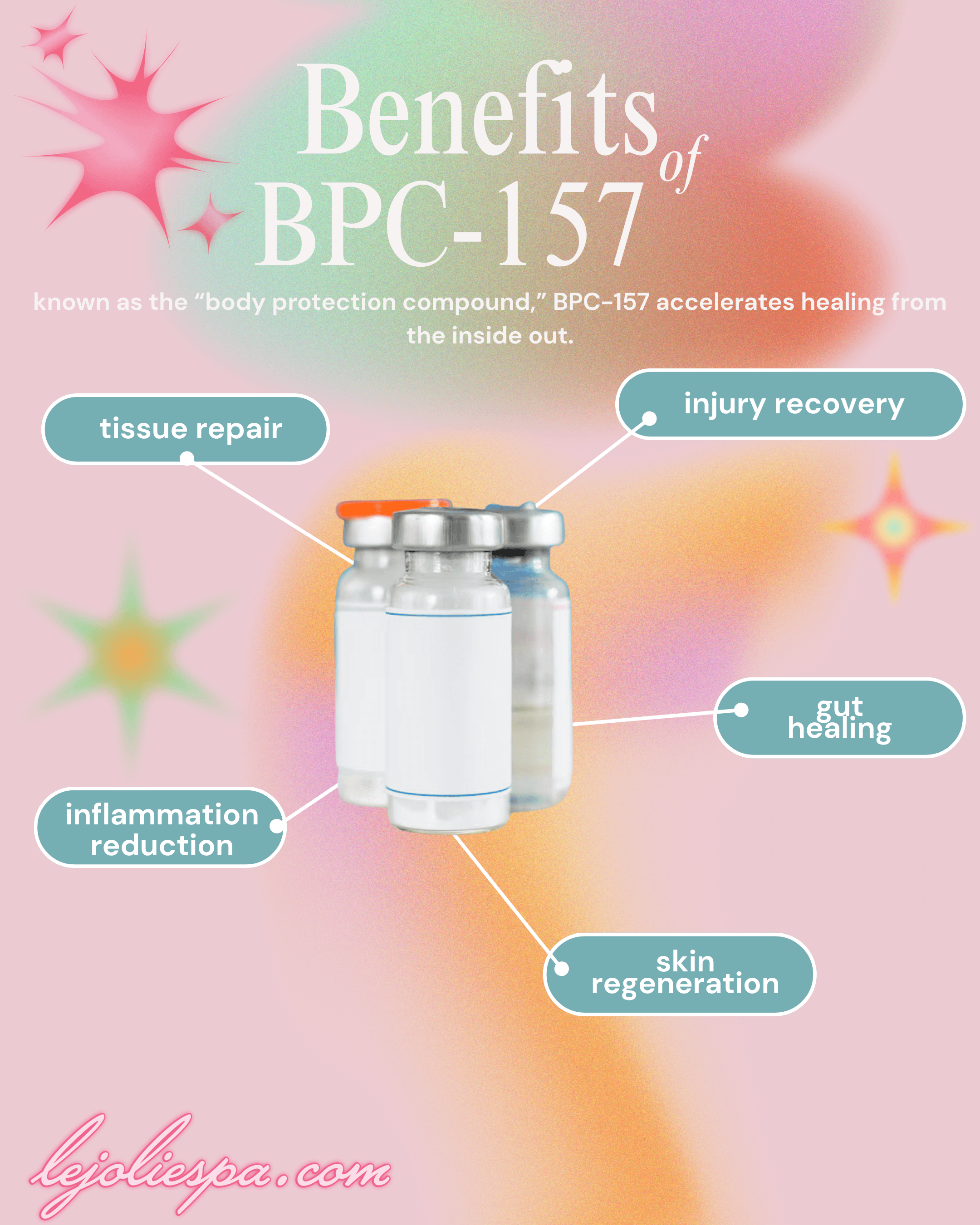
When people mention potential benefits of BPC-157, they typically fall into a few categories:
- Soft tissue recovery support: the goal is to help the body progress through repair phases when healing feels slow.
- Inflammation-related discomfort: some users report a shift in how irritated tissues feel over time.
- Gastrointestinal symptom support: this is a major reason interest exists in peptide discussions online.
However, it’s important to be objective about limitations. BPC-157 is discussed widely, but it is not the same as an FDA-approved drug with standardized dosing, long-term safety labeling for the general population, and universally accepted clinical protocols. In my hands-on work, that’s why we focus on:
- trend-based evaluation instead of day-1 promises
- clear symptom tracking
- supporting fundamentals (load management, sleep, nutrition, and trigger control for GI issues)
So if your expectations are “noticeable change within hours,” oral use may disappoint. If your expectations are “help the recovery pathway and see progress over days to weeks,” the timeline question becomes more realistic.
FAQ
How long does oral BPC-157 take to work?
Based on common user reports, some notice subtle changes within 1–3 days, more noticeable progress often appears around days 4–14, and sustained improvement may take 2–6+ weeks depending on the goal and baseline severity.
What affects how fast oral BPC-157 works?
Timing can vary with product formulation and absorption, dosing consistency, the specific issue you’re targeting, how much you’re re-aggravating the area (training/load), and your overall recovery basics (sleep, nutrition, and stress).
How can I tell if oral BPC-157 is actually helping?
Track a consistent outcome and watch the trend. For musculoskeletal goals, use the same activity pain score and range-of-motion check. For GI goals, monitor symptom intensity patterns week-to-week rather than isolated days.
Conclusion: A Practical Next Step
BPC-157 is commonly discussed as a recovery-support peptide, and the question how long does oral bpc 157 take to work usually comes down to whether you’ll see early signals or gradual improvement. In real-world patterns, oral users often report subtle changes within the first few days, clearer progress by the second week, and more durable improvement over several weeks—especially when the rest of the recovery plan isn’t working against you.
Next step: Start with a consistent routine for at least 14 days and track one specific, measurable outcome (pain/range of motion for injuries or a meal-related symptom score for GI goals). That will tell you whether the trajectory is moving in the right direction—faster than guessing based on day-to-day fluctuations.
Discussion