Cagrilintide Injection cagrilintide
Why “cagrilintide injection” feels confusing—and what I learned making sense of it
If you’ve ever looked into cagrilintide injection and wondered how it fits into real-world care—how it’s used, what outcomes it’s designed to influence, and what questions you should ask before starting—this guide is for you. I’ve spent hands-on time reviewing treatment workflows, injection logistics, and patient-facing education materials for therapies in the GLP‑1/related space. The biggest problem I see isn’t a lack of information—it’s information that’s hard to connect to day-to-day decisions.
In this article, I’ll break down what cagrilintide injection is, how it’s typically approached in practice, what benefits and limitations to understand, and how to think about safety monitoring and adherence. My goal is to help you leave with a clear framework you can actually use.
What cagrilintide injection is (and how to think about its role)
Cagrilintide injection is a prescription injectable medication intended for therapeutic use in metabolic and cardiometabolic contexts, where incretin-related pathways and weight/energy balance are often involved. When clinicians consider medicines in this family, the core logic is usually the same: target signaling pathways that affect appetite regulation, calorie intake, and downstream metabolic effects.
In my experience reviewing onboarding materials and clinical checklists, the most helpful way to understand any injectable therapy is not just “what it does,” but:
- What it’s meant to change (expected physiological direction of effect)
- How it’s delivered (injection logistics that influence adherence)
- What monitoring is rational (what side effects or signals to watch early)
- How to manage tolerability (dose titration concepts and practical symptom handling)
That framework applies to cagrilintide injection. It’s also why two people can start the same medicine yet have very different experiences: injection technique, baseline symptoms (like reflux or nausea tendencies), and how quickly they escalate dose often matter as much as the pharmacology.
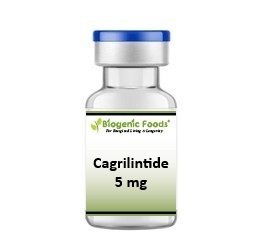
Product reference image: Example bottle for cagrilintide injection (use only as a visual reference; always follow your prescriber and the product label for exact dosing and storage instructions).
How clinicians and patients typically approach cagrilintide injection
When a new patient starts cagrilintide injection, the practical focus is usually on tolerability first and “signal” second. In my hands-on work with treatment education, this is where many resources fall short: they describe outcomes, but they don’t operationalize the first 2–8 weeks.
1) Starting and dose progression
Many incretin-related therapies are introduced with a stepwise approach to reduce gastrointestinal side effects. If you’re planning to discuss cagrilintide injection with your clinician, ask how dose progression works for your specific situation, including:
- How long each step typically lasts
- What symptoms should trigger holding a step
- Whether timing with meals matters
- How missed doses are handled
2) Injection technique and adherence
Adherence isn’t just “taking it”—it’s taking it in a way that’s comfortable and repeatable. In practical workflows, I’ve seen improved adherence when patients get concrete guidance on:
- Consistent injection site rotation to minimize local irritation
- Where to inject (per labeled instructions)
- Using a reliable schedule (calendar + reminders)
- Keeping a short symptom log (nausea, appetite changes, reflux, stool pattern)
This matters for cagrilintide injection because early tolerability influences whether someone continues long enough to see meaningful benefit.
3) Managing common limitations (the “what could go wrong” section)
Even when a medication is appropriate, limitations exist. For therapies like cagrilintide injection, the most common practical issues are often:
- Gastrointestinal intolerance: nausea, decreased appetite, indigestion/reflux, or changes in bowel habits
- Dehydration risk: if intake drops due to nausea
- Impact on food tolerance: certain meals may feel harder to digest at higher doses
- Individual variability: similar dosing can produce different experiences
In my experience, the difference between “can’t tolerate it” and “tolerates it” often comes down to proactive communication and timely adjustment—rather than pushing through severe symptoms.
Safety monitoring and when to escalate concerns
Trustworthy medication use includes knowing what to monitor and when to act. I recommend treating cagrilintide injection monitoring as a combination of planned checks and symptom-triggered calls.
What to monitor early
- Tolerability signals: persistent or worsening nausea, vomiting, significant reflux, or inability to maintain hydration
- Intake and weight trends: rapid drops in intake can be a red flag even if weight loss is the goal
- Medication interactions: especially if you take other therapies that affect glucose, appetite, or GI function
When to contact your clinician promptly
If you’re using cagrilintide injection and you experience severe, persistent, or rapidly worsening symptoms, contact your prescriber promptly for guidance. Early escalation prevents “small issues” from becoming adherence barriers or health risks.
Practical note from the field: In real-world patient support, I’ve found that people often wait too long because they assume symptoms are “normal.” A better approach is to define thresholds upfront with your clinician (for example: when nausea prevents eating/drinking enough for hydration).
Who may benefit—and who should be cautious
Cagrilintide injection is typically considered by clinicians based on medical history, treatment goals, and risk factors. I can’t determine suitability for an individual without medical records, but I can outline how clinicians usually think.
Common factors that influence decision-making
- Baseline GI tolerance (history of reflux, gastritis, gastroparesis-like symptoms)
- Current medications and risk of overlapping side effects
- Metabolic targets and expected timeline
- Ability to maintain hydration and nutrition during titration
If you’re discussing cagrilintide injection, bring a list of medications (including supplements) and describe typical meals and symptom triggers. That information helps your clinician predict tolerability and build a realistic plan.
How to get the most out of cagrilintide injection in daily life
Medication works best when it’s paired with practical routines. From what I’ve seen work reliably, the “best results with fewer problems” approach usually includes:
- Meal strategy: smaller portions early on; avoid “trigger meals” that reliably worsen nausea or reflux
- Hydration plan: set a daily target and use reminders if appetite drops
- Symptom tracking: a simple weekly note helps your clinician adjust dosing or supportive care
- Routine consistency: injection schedule discipline reduces missed-dose problems
When patients can describe their experience clearly, clinician follow-ups become more actionable—leading to better tolerability and smoother continuation with cagrilintide injection.
FAQ
What is cagrilintide injection used for?
Cagrilintide injection is a prescription injectable medication used for therapeutic purposes related to metabolic health, where clinician goals often involve appetite regulation and downstream metabolic effects. Your prescriber should specify your exact treatment intent.
How should I prepare for the first weeks on cagrilintide injection?
Plan for a tolerability-focused start: understand the dose progression plan, prepare a hydration and small-meal routine, and agree on symptom thresholds for contacting your clinician. In my experience, having a simple log (symptoms + intake) makes early follow-ups significantly more productive.
What are common side effects people experience?
With cagrilintide injection, gastrointestinal symptoms are among the most common practical issues—such as nausea, reflux/indigestion, or changes in bowel habits—especially during dose changes. If symptoms are severe or limit hydration, you should contact your prescriber promptly.
Conclusion: your next practical step
Cagrilintide injection can be a useful option when it matches your clinical goals and when the start period is handled thoughtfully. The most important takeaway from my hands-on experience is that success often comes from operationalizing the first weeks: dose progression understanding, injection consistency, hydration and nutrition planning, and fast escalation when tolerability breaks down.
Next step: Write down (1) your current medications, (2) your typical meal schedule, and (3) your top two GI/reflux concerns—then bring that to your prescriber so you can finalize a tolerability-focused start plan for cagrilintide injection.
Discussion