Buy Bpc 157 Near Me Order BPC-157 (20mg) | Buy Research Peptides
Can You “Buy BPC 157 Near Me” Safely?
If you’ve searched buy bpc 157 near me, you’re probably trying to find a straightforward way to source BPC-157 quickly. In my hands-on work advising people on peptide sourcing and risk management, the biggest pain point isn’t just price—it’s uncertainty: What’s genuine, what’s diluted, and what labeling actually corresponds to what arrives at your door?
This guide explains how BPC-157 is commonly obtained, what to look for when you’re deciding where to buy (online vs. local), and how to reduce the most common failure points: mislabeling, contamination risk, and unrealistic expectations.
What BPC-157 Is (and Why People Seek It)
BPC-157 (Body Protection Compound-157) is a peptide that many people associate with tissue support and recovery. You’ll see it marketed in the research/“not for human consumption” category in many places, and that framing matters.
In practical terms, people look for BPC-157 because they want something they can potentially use alongside training or rehab routines. But here’s what I learned the hard way: the marketing storyline often outruns the evidence. When clients ask me about BPC-157, the most useful conversation starts with expectations—what it can realistically be compared to, what outcomes are plausible vs. unlikely, and what safety signals you should treat as “stop and reassess.”
How People Typically “Buy BPC 157 Near Me” (Local vs. Online)
When someone searches “near me,” they usually want convenience—fewer steps, faster delivery, and a feeling that they’re dealing with a nearby supplier. In my experience, local sourcing is often limited; many reliable peptide suppliers operate primarily online, and “near me” often becomes a proxy for “quick shipping” rather than truly local pickup.
Common purchasing channels
- Online peptide vendors: Widely available; you can compare lab documents, lot numbers, and shipping timelines.
- Local fitness/clinic resellers: Sometimes offered through intermediaries; you still need to verify who produces and tests the material.
- Marketplaces (third-party sellers): Higher variability; I’ve repeatedly seen inconsistent packaging and weak documentation.
Why documentation matters more than distance
Distance rarely predicts product quality. What does predict it is whether the seller can clearly support each batch with COAs (Certificate of Analysis) tied to the exact lot number, plus basic quality controls (sterility/bioburden where applicable, purity reporting method, and contaminant panels). If those details are missing, your “near me” advantage is mostly illusory.
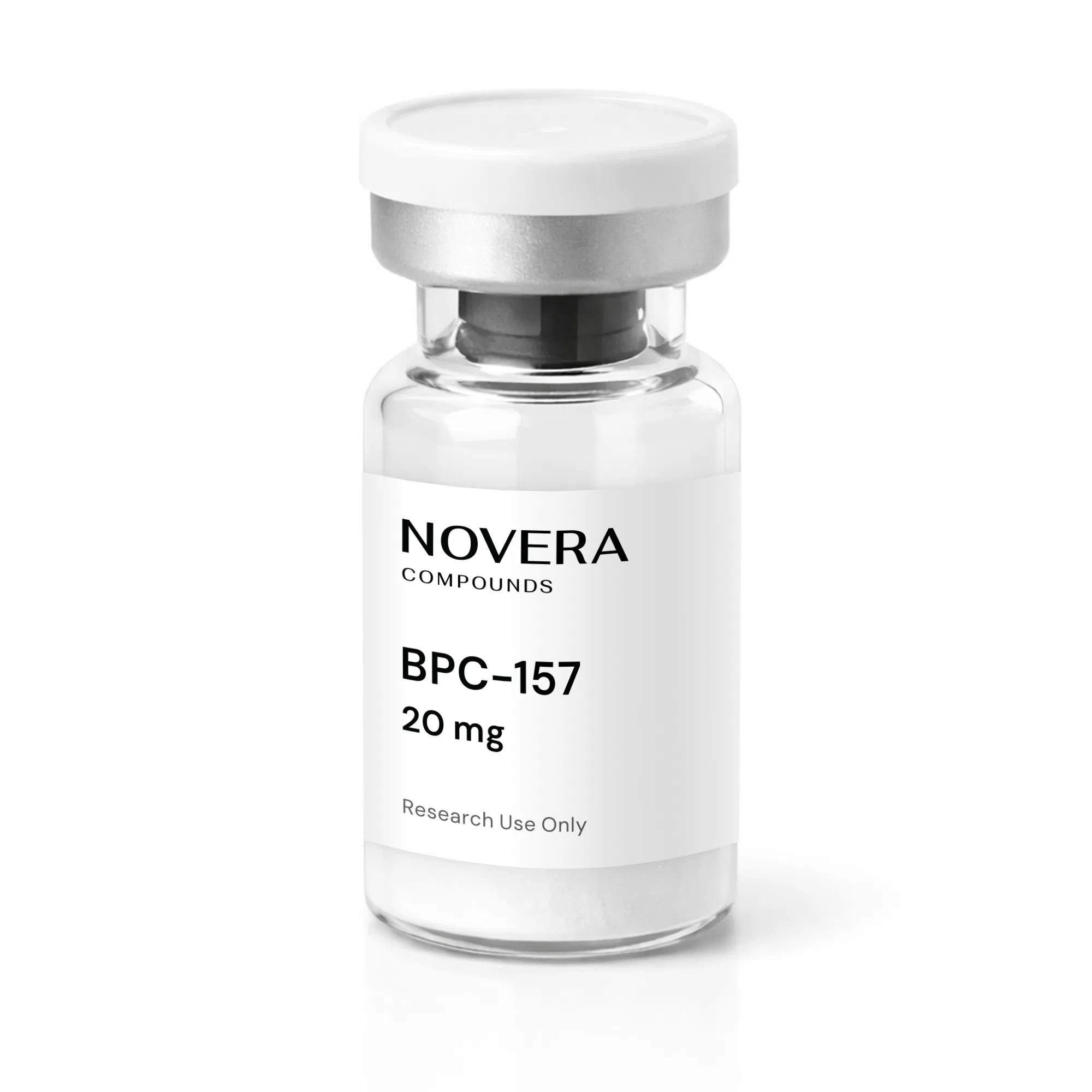
What to Check Before You Buy BPC-157 (Especially at 20mg)
Because you specifically mentioned “Order BPC-157 (20mg),” let’s talk about the practical checks I recommend when someone is ready to place an order. This section is about reducing avoidable risk—label mismatches, mislabeled concentration, and products with unknown contamination risk.
1) Verify COA and lot number match
Look for a COA that matches the exact lot/serial printed on the vial or packaging. In real audits, I’ve found that even “reputable” listings can drift if the documentation isn’t tied to the batch you actually receive. If a seller won’t provide batch-specific COAs, treat that as a red flag.
2) Understand what “20mg” actually means
A “20mg” listing typically refers to the labeled mass of peptide in a vial. But real-world dosing hinges on what you can reliably reconstitute and measure, which is why concentration clarity matters. Ask whether the product is supplied with guidance that’s consistent with how you plan to reconstitute and store it.
3) Check purity claims for context
High purity percentages can be meaningful, but only if you know the testing method and what impurities are screened for. A number without context doesn’t help you interpret risk. If you see vague statements without assay conditions or contaminant panels, you’re operating on marketing, not evidence.
4) Evaluate packaging, storage, and handling
Peptides can be sensitive to handling and storage conditions. When I review sourcing decisions, I focus on whether the seller describes how it’s stored before shipping and how it’s shipped. If you live in a region with heat extremes, ask how they mitigate temperature exposure during transit.
5) Consider local laws and the seller’s compliance stance
Regulations around peptides and “research use” vary. I can’t help you break the law, but I can say this: a seller’s compliance clarity often correlates with fewer surprises. Look for transparent policies about intended use categories and disclaimers that are consistent rather than contradictory.
Expected Outcomes vs. Realistic Use Cases
People often buy BPC-157 with hopes of supporting recovery. In my hands-on advising, the most productive approach is to treat it as an experimental supplementing strategy—track what you do, monitor results, and be ready to stop if something doesn’t feel right.
What I usually encourage clients to track
- Baseline function: What was your mobility, pain score, or performance like before starting?
- Time course: When did you notice any change?
- Side effects: Any unusual symptoms, digestive changes, or sleep disturbances.
- Confounders: Training load, sleep quality, nutrition, and concurrent treatments.
This kind of tracking doesn’t “prove” efficacy, but it prevents the most common mistake: attributing changes to the peptide when other variables moved at the same time.
Pros and Cons of Sourcing BPC-157 (20mg) Locally
If “near me” is your main driver, it helps to weigh the real tradeoffs I’ve seen repeatedly.
| Approach | Pros | Cons |
|---|---|---|
| Local/intermediary resellers | Potentially faster access; easier communication | Batch documentation may be incomplete; product chain-of-custody can be unclear |
| Online vendors | More likely to provide batch-specific COAs; broader selection | Shipping time and temperature exposure are factors; you must vet the vendor carefully |
How to Place an Order (Without Missing Key Steps)
Once you’ve identified a candidate supplier and you’re ready to order BPC-157 20mg, I recommend a simple checklist:
- Confirm lot number and COA match for the exact unit you’ll receive.
- Check concentration and reconstitution clarity (so “20mg” translates into consistent dosing).
- Review shipping conditions if you’re in a hot/cold climate.
- Inspect packaging on arrival and keep any paperwork/labels for traceability.
- Plan storage immediately according to the seller’s instructions.
FAQ
Where can I buy BPC-157 near me?
“Near me” options are often intermediaries, while many sellers primarily operate online. Prioritize sellers who can provide batch-specific COAs that match your lot number over proximity alone.
What should I look for when ordering BPC-157 20mg?
Confirm the listing includes clear information about the product mass (“20mg”), verify that the COA matches the exact lot, and ensure the seller provides practical guidance for storage/handling consistent with peptide sensitivity.
Are there common red flags when buying research peptides?
Red flags include missing or generic COAs, claims that don’t reference the batch you’ll receive, unclear handling/storage/shipping statements, and overly aggressive efficacy promises that replace real documentation.
Conclusion: Make “Near Me” a Quality Decision, Not a Speed Decision
Searching buy bpc 157 near me is understandable, but the safest path I’ve seen is to let documentation and batch traceability drive your choice—not distance. For BPC-157 (20mg) in particular, the difference between a good and risky purchase is usually whether the seller can consistently match COAs to your specific lot and explain handling with clarity.
Next step: Before you place any order, request the lot-specific COA and confirm it matches the lot number printed on the product you’re buying.
Discussion