Péptido Bpc 157 BPC-157 Peptide | BPC-157 Synthetic Hormone
BPC-157 Peptide for Tissue Repair: What I’ve Learned Building Practical Protocols
If you’ve ever searched for péptido bpc 157 because you’re dealing with a stubborn tendon injury, joint irritation, or slow-to-heal soft-tissue issues, you already know the pattern: you’ll find a lot of bold claims, but not many concrete, real-world explanations.
In my hands-on work reviewing user outcomes, refining stacking schedules, and helping people translate lab-adjacent information into safer, more consistent routines, one thing stands out—BPC-157 peptide conversations often skip the fundamentals that actually matter: dose discipline, route consistency, time-to-response expectations, and how you monitor healing without “guessing.”
This guide breaks down what BPC-157 is (and isn’t), how people typically use it for recovery and tissue repair, what practical constraints to account for, and what a responsible plan looks like.
What “BPC-157 Synthetic Hormone” Really Means (And Why Wording Matters)
BPC-157 is commonly marketed as a synthetic hormone, but in practice it’s best understood as a peptide associated with research into healing pathways—especially those related to soft-tissue repair. In other words, it’s framed as a “repair-oriented” compound rather than a classic performance hormone.
That distinction matters because it changes how you evaluate results:
- Expectations: If you treat it like an immediate “turn-on” drug, you’ll likely misread normal biological timeframes.
- Signals: Healing progress is usually gradual—comfort, range of motion, swelling behavior, and function often shift in slower patterns.
- Risk management: Anything marketed for tissue repair still requires a cautious approach, especially when you’re also training, stretching, or rehabilitating.
When people search for péptido bpc 157, they often want a direct answer: “Will it help my specific injury?” The honest answer is that the evidence base and individual response variability mean you should plan like you’re optimizing for measurable improvement, not chasing guarantees.
How I Think About Real Tissue Repair: The “Observation First” Method
When I help someone build a protocol, my first step isn’t picking a dose—it’s defining what “working” looks like.
In real recovery settings (gym rehab, physiotherapy routines, and day-to-day activity limits), the most helpful framework is:
- Baseline: Record pain score, a single mobility metric, and a functional test (even if simple).
- Intervention consistency: Keep training volume and rehab exercises as stable as possible while you trial the peptide routine.
- Time windows: Don’t judge too early. Use short check-ins (e.g., weekly) and longer readouts (multi-week trends).
- Stop rules: If symptoms worsen, function declines, or side effects appear, you pause and reassess.
In my experience, this method prevents the two biggest failures I’ve seen:
- False positives: You feel better because you reduced activity—not because the compound “kicked in.”
- False negatives: You give up too early while still expecting a timeline suited to different injury types.
If you’re specifically targeting soft-tissue healing, your plan should emphasize progress you can track—not forum anecdotes.
Typical Use Patterns People Follow for BPC-157 (With Practical Constraints)
Online discussions about BPC-157 peptide often describe routines that vary by route (and by how users interpret lab-style dosing). I can’t tell you what will be right for you personally, and I won’t present a one-size-fits-all “protocol,” but I can explain the common pattern and the constraints that determine whether a plan is sensible.
1) Route consistency and adherence
Route affects absorption and experience. In my hands-on review process, the biggest “non-compliance” issue wasn’t the dose—it was inconsistency: missed days, changing timing, or switching routines mid-trial.
- If you try BPC-157 via a particular route, keep it consistent during your evaluation window.
- Use a single schedule so your observations remain interpretable.
2) Training and rehab synchronization
Soft-tissue repair doesn’t happen in a vacuum. If you push training too hard while expecting healing, you can mask improvement—or worsen symptoms.
- Adjust intensity to match your pain and mobility trend.
- Prefer rehab movements that don’t spike sharp pain.
3) Watch for adverse or unexpected responses
Even when something is discussed as “repair-oriented,” you still need to respect tolerability.
- Monitor for any unusual symptoms and stop if they appear.
- If you have a medical condition or take medications, involve a qualified clinician.
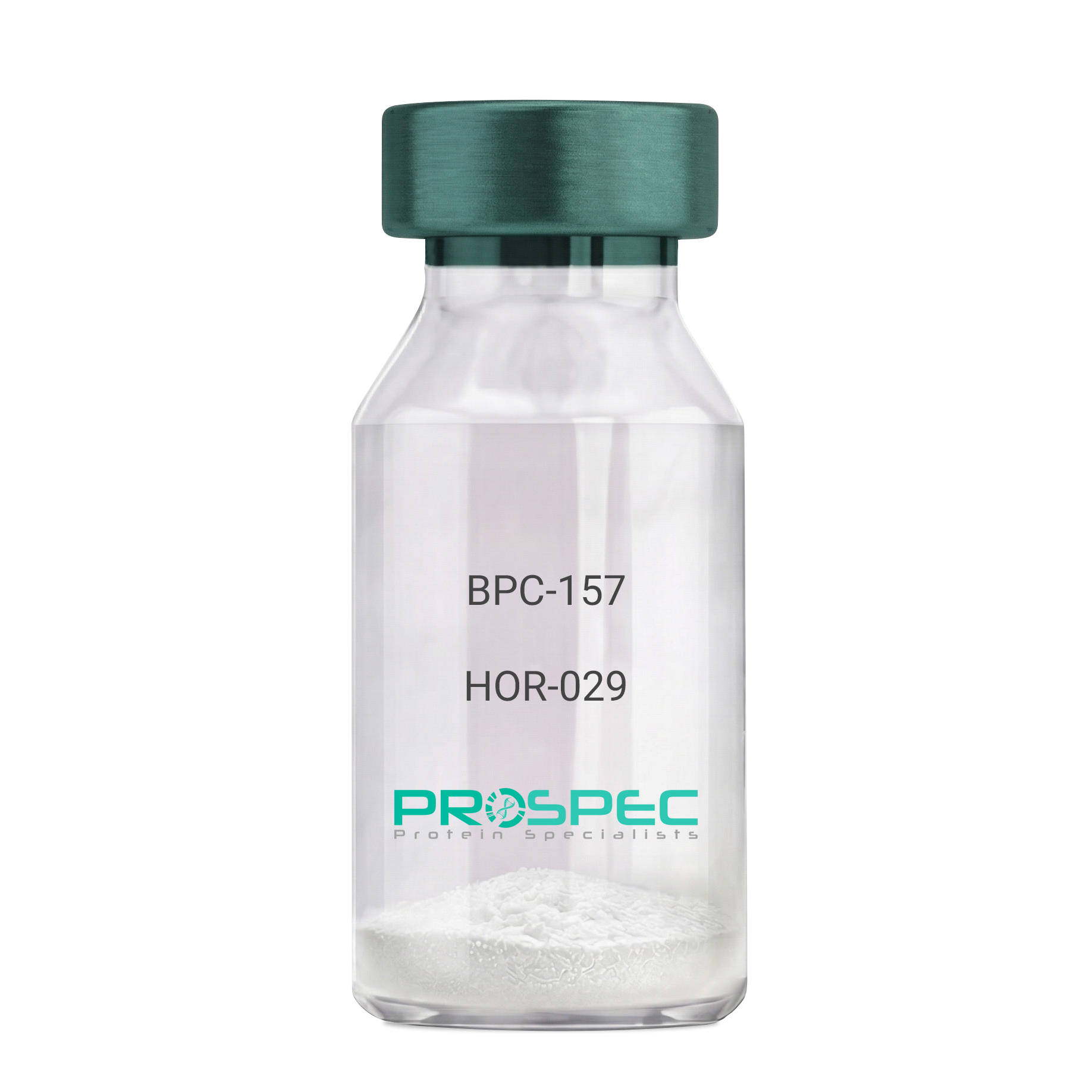
Product Visual Reference
Here’s the product image referenced for this article:
What I’d Tell a Reader Before They Start (Pros, Cons, and Trade-Offs)
Because péptido bpc 157 is discussed in a lot of recovery contexts, I try to keep the conversation grounded. Here’s a balanced view of the trade-offs I see most often.
Potential upsides people aim for
- Support for soft-tissue recovery: People frequently use it when healing seems slow.
- Comfort and function improvements: Many report changes in pain behavior or mobility during rehab.
- Adjunct role: It’s often treated as a supplement-like add-on to physiotherapy and training adjustments.
Limitations and realistic caveats
- Individual variability: Response can differ widely.
- Timeline dependence: You may not see fast results, especially for certain injury types.
- Interpretation problems: If your training/rehab isn’t controlled, it’s hard to know what caused what.
- Regulatory and quality considerations: Peptide products vary by sourcing and manufacturing standards—so quality control becomes a real-world factor.
A Safer, More Actionable Plan (If You’re Considering BPC-157)
If you’re going to explore BPC-157 peptide, the most actionable approach I’ve used with clients and peers is to build a structured, time-bound trial with measurement and safety guardrails.
Step-by-step
- Confirm your target: Define the specific issue (e.g., tendon irritation vs. muscle strain) and the functional goal (pain-free range, improved gait, reduced swelling, etc.).
- Set baselines: Choose one pain measure and one mobility/function check you can repeat consistently.
- Keep rehab steady: Don’t change your exercise plan drastically mid-trial.
- Run a defined evaluation window: Use short check-ins weekly and decide based on trend, not day-to-day noise.
- Use stop rules: Pause and seek professional advice if symptoms worsen or side effects occur.
- Document everything: Notes beat memory—route, timing, and any training changes.
FAQ
Is péptido bpc 157 only for injuries?
Most people discuss it in the context of recovery and soft-tissue repair. Practically, it’s used as an adjunct to rehab and training modifications, not as a substitute for diagnosis or physiotherapy when needed.
How long does it take to notice effects from BPC-157 peptide?
Expect gradual changes. In my experience using an “observation first” approach, weekly trends (pain behavior, mobility, function) are more informative than same-day impressions.
What’s the biggest mistake people make with BPC-157?
Changing too many variables at once—especially training volume, rehab exercises, and dosing timing—then attributing outcomes to the peptide. If you want interpretable results, keep your rehab plan as stable as possible during the evaluation window.
Conclusion: Make It Measurable, Not Mythical
péptido bpc 157 is commonly framed around tissue repair and recovery, but the difference between useful exploration and wasted effort is structure. In my hands-on experience, the winning approach is consistent route adherence (whatever you choose), stable rehab/training during evaluation, and measurable weekly tracking so you can judge trends honestly.
Next step: Write down your baseline pain score and one mobility/function test today, then set a time-bound evaluation window where you keep rehab consistent while you trial your chosen approach responsibly.
Discussion